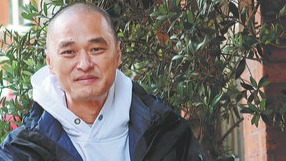
Feng Tang
冯唐
- 分类: 语言文学
- ID: 1866679406033711105
Home CategoryLiteratureFeng TangPlay5.5 minsFeng Tang, born in Beijing, is a versatile figure in literature, business, and the arts. He studied gynecology in China, qualified as a doctor in the 1990s, and later pursued an MBA in the U.S., leading to consultancy and executive roles in major Chinese companies.ShareCatalogue1. Early Life and Education2. Literary Career3. Art and Calligraphy4. Business Ventures5. Recent Works and Projects6. Public Reception and Controversy7. Influence and Legacy8. Personal Philosophy and Insights9. Recommendations and Inspirations
Early Life and Education
Feng Tang, born in Beijing, is a multifaceted personality known for his contributions to literature, business, and the arts. He studied gynecology at the top medical school in China and qualified as a doctor in the 1990s. Subsequently, he pursued an MBA in the United States, which expanded his career opportunities into the business world. His diverse educational background laid a strong foundation for his varied career trajectory, which includes roles in consultancy and executive management at major companies in China.
Literary Career
Feng Tang's literary career is marked by his bold and often controversial style. He has published several novels, essays, and poetry collections. His early works, such as the semi-autobiographical Beijing trilogy published between 2001 and 2007, explore themes of adolescence and personal growth amid China's rapid modernization. These works are characterized by frank depictions of sexuality, which have sparked both acclaim and criticism. His novel Give Me a Girl at Age Eighteen was translated into English in 2019, bringing his unique voice to a broader audience. Feng's writing style draws inspiration from Western authors like Henry Miller and D.H. Lawrence, known for their candid exploration of human relationships and sexuality.
Art and Calligraphy
In addition to his writing, Feng Tang is also recognized for his work in calligraphy. His calligraphic pieces have been featured in exhibitions, sold at auctions, and even adapted into a font. This artistic endeavor complements his literary work, reflecting a deep engagement with traditional Chinese culture and its modern interpretations. His calligraphy has garnered attention for its blend of classical techniques and contemporary aesthetics, contributing to his reputation as a crossover talent in the Chinese literary and art scenes.
Business Ventures
Feng Tang's foray into the business world is as impressive as his literary and artistic pursuits. He transitioned from a medical professional to a successful businessman, having held significant positions at top consultancy firms and on the executive boards of major companies. His business acumen is further demonstrated by his venture into healthcare capital investment at Citic Capital, where he worked for six years before deciding to take a sabbatical. This diverse professional experience informs his writings on management and business, where he integrates Western management theories with traditional Chinese wisdom.
Recent Works and Projects
Feng Tang continues to engage in various creative projects. His management book series, Getting Things Done, reflects his interest in blending Eastern and Western philosophies to address contemporary business challenges. He is also working on a semi-memoir trilogy, with the first installment titled My Father Knows All the Fishes, exploring familial relationships and personal history. These works underscore his commitment to exploring complex human experiences and cultural narratives through both fiction and non-fiction.
Public Reception and Controversy
Feng Tang is no stranger to controversy, often stirring public debate with his outspoken views and provocative writings. In 2015, his translation of Rabindranath Tagore's poems attracted criticism for its erotic overtones. He also sparked discussions on social media with his essay How to Avoid Becoming a Greasy and Creepy Middle-Aged Man, where he offered blunt advice on maintaining a youthful appearance and mindset. Despite the controversies, Feng remains a prominent figure in Chinese literature, known for challenging societal norms and encouraging dialogue on contemporary issues.
Influence and Legacy
Feng Tang's influence extends beyond literature and art into cultural discourse. His writings often reflect the rapid transformations in modern China, capturing the zeitgeist of a generation navigating the intersections of tradition and modernity. By engaging with themes of identity, globalization, and personal freedom, Feng has become an important voice in contemporary Chinese culture. His work continues to inspire debates on the nature of literary expression and the role of the artist in society.
Personal Philosophy and Insights
Feng Tang's philosophy is deeply rooted in a blend of introspection and cultural awareness. He emphasizes the importance of empathy and understanding in literature, believing that reading can expand one's perspective and foster a deeper connection with the world. His personal experiences, from medical studies to business leadership, inform his holistic approach to life and creativity, encouraging others to pursue diverse interests and embrace change.
Recommendations and Inspirations
Feng Tang frequently shares his literary inspirations, citing authors like Kawabata Yasunari and Sima Guang as significant influences on his work. He values literature that challenges conventional thinking and encourages readers to explore new ideas and emotions. Through his writings, Feng advocates for the transformative power of literature and its ability to shape personal and collective identities. Article reference1. Author of many talents plots next chapter of life. chinadaily.com.cn. 20222. Q & A. chinadaily.com.cn. 20223. Bye, 'greasy' man: Hello, a new you. chinadaily.com.cn. 2018Photo Gallery(4 pictures)CategoriesLiteratureTagModern and Contemporary LiteratureLiterary FiguresRelatedZhang DaqianCatalogue1. Early Life and Education2. Literary Career3. Art and Calligraphy4. Business Ventures5. Recent Works and Projects6. Public Reception and Controversy7. Influence and Legacy8. Personal Philosophy and Insights9. Recommendations and Inspirations- - - []








